
If your project needs land excavation, grading, or both, the right choice depends on what must happen to the soil. Excavation removes or relocates earth. Grading shapes the remaining ground to set elevation, slope, and drainage. Many home sites, ponds, driveways, and building projects need both steps in sequence.
See 3H Construction’s Excavation & Grading service for the related service.
What Is Excavation?
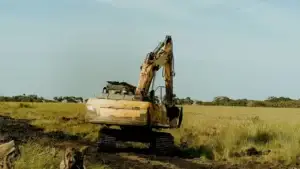
Excavation is the process of digging, cutting, or removing soil, rock, roots, or other material from a site. Removed material may be hauled away, reused, or stockpiled when the site plan allows.
Common excavation work
Excavation may be part of:
- A pond basin or drainage feature
- A foundation, house pad, or building site
- A driveway base or access road
- A utility trench or septic area
- A cut-and-fill project that changes the site profile
When excavation is the first step
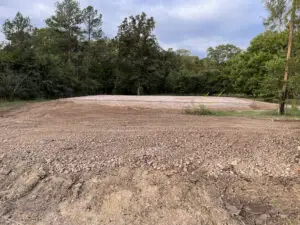
Excavation often comes first when the property is too high, too uneven, or filled with material that must move before the planned surface can be built. For a pond, the contractor may remove soil to create the basin. For a home site, the team may cut high areas and place approved fill in low areas.
The goal is to create the conditions needed for the next phase without creating drainage or access problems elsewhere.
Did You Know? Excavation can include moving soil within the property, not just hauling it away. A cut-and-fill plan may reduce trucking when the material is suitable and the site has a safe, useful place for it.
What Is Land Grading?
Land grading is the process of shaping and leveling soil to reach planned elevations and slopes. Grading can direct water away from a home, create a workable building surface, shape a driveway, or prepare a site for later construction.
Rough grading and finish grading
Rough grading creates the main landform by establishing broad slopes, removing high spots, placing fill, and shaping access.
Finish grading makes the final adjustments before a foundation, pavement, lawn, or other improvement is installed.
Why slope matters
A level-looking property can still need a drainage plan. Water follows small changes in elevation, and a poorly shaped surface can send runoff toward a home, pond edge, driveway, or neighboring property.
The U.S. Environmental Protection Agency explains that stormwater can carry sediment and other pollutants from loose soil on construction sites. Its construction stormwater guidance covers earth-disturbing work such as clearing, grading, and excavating. A grading plan should account for where water will go while the work is underway and after the finished surface is in place.
Read the EPA construction stormwater guidance before a larger earthwork project, especially when the work may disturb an acre or more.
Land Grading vs. Excavation: The Main Difference
Excavation changes the amount or location of soil. Grading changes the shape and slope of the soil that remains or has been placed. Excavation answers, “What material needs to come out or move?” Grading answers, “What elevation and surface should be left behind?”
| Service | Main purpose | Typical result |
|---|---|---|
| Excavation | Dig, cut, remove, or relocate earth | A pond basin, trench, cut area, or lowered section |
| Grading | Shape, level, and slope the ground | A prepared surface with planned elevations and drainage |
| Cut and fill | Combine removal and placement | A balanced site shaped for a home, road, or building |
A project can need one service without the other. A shallow trench may need excavation but no broad grading. Many construction sites need both because the ground must be moved and then shaped.
Pro Tip: Describe the finished use of the property before asking for a price. “I need dirt moved” does not tell a contractor whether the real goal is a house pad, driveway, pond, drainage path, or level building area.
Which Service Does Your Project Need?
Start with the outcome, not the equipment. The same property may need different work in different areas.
Building a home or structure
A home site may need clearing, excavation, fill placement, rough grading, compaction, and finish grading. The sequence depends on the plans, soil, slope, drainage, and required elevations.
3H Construction’s site work and site prep service describes the sequence from raw land toward construction around Richards and nearby Texas communities.
Building a pond
Pond work begins with excavation, but the basin also needs shaping and grading. The site may need a planned depth, stable slopes, an inlet or outlet, and a safe place for spoil material.
3H’s pond-construction guidance points to soil type, natural drainage, and available acreage. A site that is not suited for a pond should be identified before excavation starts.
Installing or improving a driveway
A driveway may need excavation to remove weak soil, establish a base, or create drainage space. Grading then shapes the travel surface and its relationship to the road, culvert, homesite, and surrounding ground.
The correct approach depends on slope, traffic, drainage, soil, and the material planned for the finished drive. A surface that looks flat but holds water may need more grading, not just another layer of gravel.
Improving drainage
Drainage projects often combine both services. Excavation can create a swale, ditch, outlet, or basin. Grading can shape the surrounding ground so runoff reaches that feature instead of collecting beside a structure.
Moving water away from one spot does not solve the full problem. Review the discharge path, property boundaries, soil, erosion risk, and downstream conditions.
What Should You Ask Before Work Starts?
Ask these questions before approving earthwork:
- What is the finished use? Explain whether the area is for a home, barn, pond, driveway, pasture, drainage feature, or another purpose.
- What elevations or slopes are required? Plans, surveys, or builder specifications may control the finished grade.
- Where will removed soil go? Confirm whether material will be reused, stockpiled, or hauled away, and whether that changes the price.
- What needs to stay protected? Mark trees, fences, septic components, utilities, structures, and access areas.
- How will wet weather affect the work? Rain can change ground strength, access, timing, and the risk of rutting or erosion.
- Who handles utility locating? Texas 811 says homeowners must contact 811 two business days before digging, excluding weekends and holidays. Review the Texas 811 digging guidance and ask how private lines will be addressed.
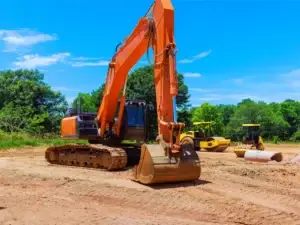
Did You Know? The best machine for the job is not always the largest one. Access, ground support, swing room, and the planned finish can matter as much as digging force.
Pro Tip: Bring surveys, building plans, and photos of wet areas to the site visit. Clear project information helps the contractor separate excavation needs from grading needs.
Get a Site-Based Recommendation
Land excavation and grading solve different problems. Excavation moves material. Grading shapes the ground that supports the next stage. Your project may need one, the other, or both.
The right scope starts with the intended use, drainage, access, soil, and required elevations. Contact 3H Construction for a property assessment and free estimate before choosing a scope based only on acreage or equipment size.
Frequently Asked Questions
Is excavation the same as grading?
No. Excavation removes, cuts, or relocates earth, while grading shapes the ground to planned elevations and slopes. A construction project may need excavation first and grading afterward, but some smaller jobs need only one service.
Do I need excavation or grading for a house site?
Many house sites need both, but the answer depends on the starting terrain, soil, drainage, and building plans. Excavation may remove high areas or unsuitable soil, while grading creates the elevations and slopes needed for the prepared building area.
Does a pond need both excavation and grading?
Usually, pond construction uses excavation to create the basin and grading to shape the basin, banks, drainage paths, or related areas. Soil type, natural drainage, pond purpose, and the location of suitable fill affect the final scope.
Can grading fix standing water?
Grading can improve drainage when the water problem comes from the shape or slope of the ground. A contractor should also check soil, discharge paths, nearby structures, and other sources before changing elevations.
Do I need to call 811 before land excavation?
Yes. Texas 811 says homeowners must contact 811 at least two business days before digging, excluding weekends and holidays. Private utility lines may need separate locating, so ask the contractor how both public and private lines will be handled.
Ready to Get Started? Let’s Talk.
If you are unsure whether your property needs land excavation, grading, or both, start with the finished use and current site conditions. A site review can identify the work sequence, access limits, and drainage concerns before equipment arrives.
Contact 3H Construction LLC for a property-specific estimate for excavation, grading, pond work, driveway work, or site preparation in the Richards area.