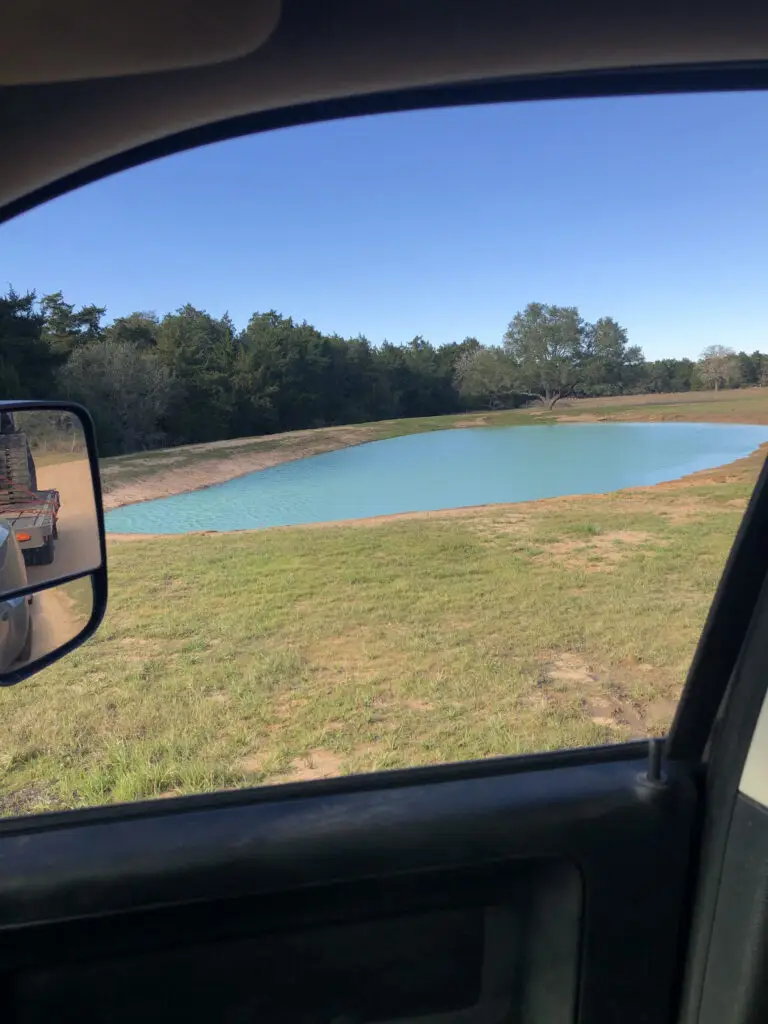
A well-placed pond can transform a piece of property. It adds practical value for livestock and irrigation, creates habitat for wildlife, and makes land more enjoyable to live on and more attractive to future buyers. 3H Construction has the excavation equipment and the experience to make a pond a reality on the right piece of land.
We work with landowners throughout the Richards area and across our service territory to assess, plan, and excavate ponds of various sizes and purposes.
What We Do
Pond construction starts with excavation — and that’s what we do. We assess the site for the right location and conditions, then we dig, shape, and grade the pond basin to achieve the depth, footprint, and drainage characteristics the project calls for.
A pond project typically involves:
- Site assessment to evaluate soil type, natural water drainage, and topography
- Marking the pond footprint and establishing the correct depth specifications
- Excavating the pond basin and shaping the edges and bottom appropriately
- Managing the spoil material from excavation (material can often be used for berm construction or nearby grading)
- Establishing proper overflow and drainage to protect the pond during heavy rain events
Some pond builds are straightforward excavation. Others involve more complex shaping, dam work, or drainage engineering. We’ll tell you what your specific property requires.
What Makes a Good Pond Site
Not every property is suited for a pond, and we won’t tell you it is if it isn’t. The key factors are soil type (clay-heavy soil holds water; sandy or porous soil doesn’t), natural water drainage patterns across the property, and available acreage relative to the size of pond you want.
In much of Grimes County and the surrounding area, the soil conditions are quite favorable for pond construction. We can assess that when we come out for an estimate.
Get a Free Estimate
Thinking about adding a pond to your property? Give us a call and we’ll come take a look and tell you honestly what’s possible and what it would involve.
Call (979) 571-8110 or submit our contact form for a free estimate.
Pond Construction FAQs
How do I know if my property can support a pond?
The main factors are your soil type and where water naturally drains across your land. Properties with clay-heavy soil and a natural low point where water collects are generally good candidates. We look at this when we come out for an estimate and give you an honest assessment.
How big of a pond can you build?
That depends on your property size, the terrain, and what you want the pond for. We’ve worked on ponds ranging from small stock tanks to larger recreational ponds. We’ll discuss the options that fit your land and your goals.
How deep should a pond be?
Depth requirements vary by purpose. A livestock water tank typically needs to be deep enough to hold volume through dry periods. A recreational or fishing pond benefits from deeper water to support fish populations and prevent excessive vegetation. We’ll discuss the right depth for your situation.
How long does pond excavation take?
A smaller stock pond might be completed in a day or two. A larger recreational pond or one with more complex shaping can take longer. Once we look at the scope, we’ll give you a realistic timeline.
What happens to all the dirt that comes out of the pond?
The excavated material doesn’t go to waste. Depending on your property, it can be used to build up berms around the pond, used as fill in other areas of the property, or graded out on-site. We’ll talk through options that make sense for your land.
Will I need any permits to build a pond in Texas?
In many cases in rural Texas, a private pond on private property does not require a state permit, though this can vary depending on whether the pond will involve a dam or affect a natural waterway. We recommend checking with your county and, if needed, the Texas Commission on Environmental Quality before starting. We’ll let you know if anything we’re seeing at the site looks like it might trigger permit requirements.
What’s the best time of year to build a pond?
Dry periods are generally preferred for pond excavation — wet soil is harder to work with and move efficiently. Late summer and fall are often good windows in this part of Texas, though we work year-round and adjust based on current conditions.